

GLAS Spotlights
David O’Donnell
Global Head of Due DiligenceMeet David O’Donnell: Leading Global Due Diligence at GLAS
From travelling the world to leading a global due diligence function, David O’Donnell discusses the experiences that shaped his career, his leadership philosophy and why stepping outside your comfort zone is always worth it.
Can you tell us a little about yourself?
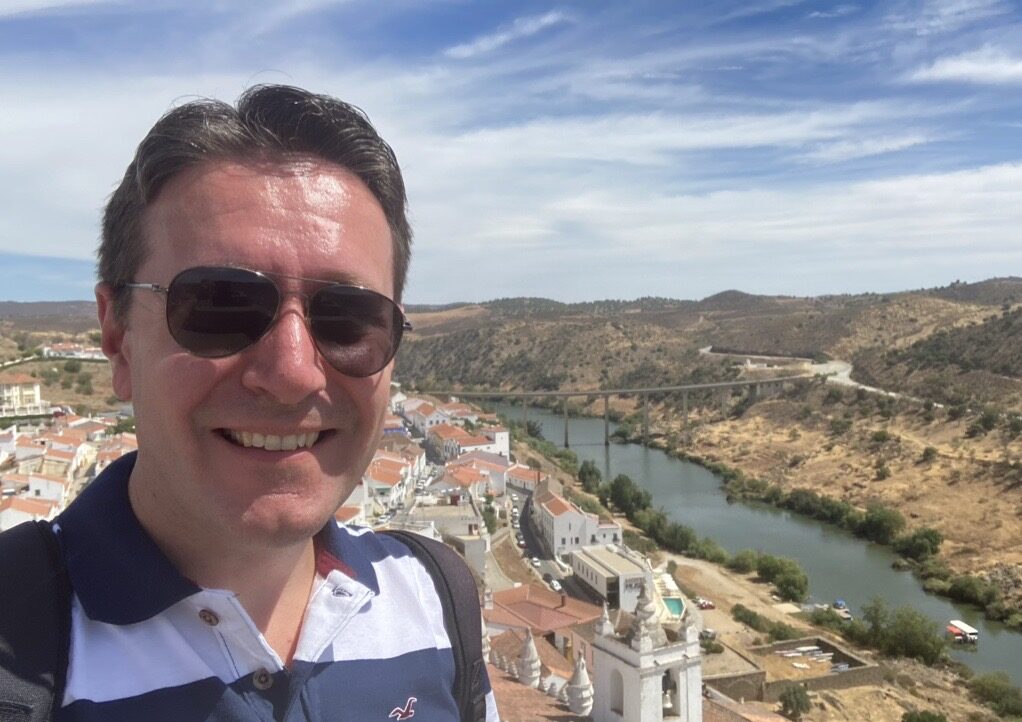
DO: I love to travel. If I take a day off work, I tend to be abroad, whether it’s a bank holiday, annual leave, or even a weekend. At the drop of a hat, I’ll be off somewhere.
I’ve visited 60 countries now, which is about a third of the world, so I’ve still got plenty to see and time is ticking by. My next big trip is China at the end of August. I’m doing a 17-night tour there, which will be a completely new country for me, and I’m really looking forward to it.
One experience that really stands out was drinking whiskey on top of a glacier in southern Argentina and carving ice from the glacier straight into the glass. That’s one of my top travel memories.
If you could have dinner with any person, past or present, who would it be and why?
DO: Leading on from the travel theme, I’d probably say David Attenborough. He’s a British icon, he’s the king.
He’s had such a fantastic, interesting and varied life. I’d love to hear about all the places he’s visited and the work he’s done to highlight climate change.
And really, who doesn’t love one of his documentaries? Watching wildlife through his programs is incredible. So yes, I think that would make for an awesome dinner.
Can you tell us about your educational background and the path that led you into your career?
DO: I probably have quite an unusual background compared to many people at GLAS. I left school at 17 with my A levels and went straight into work, starting in the travel industry with Thomas Cook.
I worked my way up from retail into the head office before moving into Payment Services, where I again started at the bottom and progressed through experience and hard work.
I’ve always believed that if you’re managing people, you shouldn’t ask someone to do something you can’t do yourself. That’s why I like to understand every aspect of a role and get stuck in when needed.
In short, I didn’t go to university and I’ve really only had three employers over a career spanning 27 years. University wasn’t right for me, and I don’t think people should feel pressured into it. It works for some people, but not everyone.
For me, success comes down to dedication, hard work and a can-do attitude.
Can you tell us about your role at GLAS and what a typical day looks like for you?
DO: I manage a global team at GLAS, so my days can be quite long because I’m working across different time zones. That means early mornings with Asia and occasionally later evenings with our US team.
Over the last 12 months we’ve significantly expanded the team, including through our outsourcing partner, and now have three team leads supporting our global operations.
Day to day, my focus is people management. I spend less time carrying out the actual KYC work, although I still muck in when needed. I’ve always believed that when the team is under pressure, a manager should share that pressure.
A lot of my role revolves around communication and problem solving. I’m constantly speaking with teams across the business and building relationships across our global offices.
One thing I always tell my team is that it’s far better to pick up the phone and have a conversation. If there is any tension felt through Teams messages or over email, a quick call will usually get everyone back on the same page.
How has the due diligence function evolved during your time at GLAS?
DO: When I first joined, the team was very small. We operated in three countries and had one policy that applied to everything.
As we’ve grown, we’ve recognised the need for country-specific policies and procedures to meet local regulatory requirements. That’s been an important part of our evolution.
The team has grown from two people to around 20 and become much more global in the way it operates. We’ve also introduced more structure, including team leads who help support the wider function.
Another significant change has been our blended workforce around the world. Everyone works together, collaborates daily and contributes equally.
I’m particularly proud that our colleagues in every jurisdiction feel fully integrated into the team and the wider business.
What excites you most about your role as Global Head of Due Diligence?
DO: What excites me most about my role is the constant challenge that comes from being part of an ever-evolving business.
At many firms I’ve worked for, things were very black and white: this is what we do, and this is what we don’t do. At GLAS, we always try to find a way to support our clients wherever possible. If it’s something we’ve not done before, we’ll look at how we can make it work. Being part of that journey and helping drive growth is something I really enjoy.
I also enjoy the more complex, or as I like to call them, the more “spicy” transactions. When we come across higher-risk activity, I enjoy taking a deeper dive into the transaction mechanics and KYC requirements, then pulling everything together into something the business can use to make an informed decision.
I enjoy working across different teams as well, whether that’s collaborating with Legal or discussing matters such as suspicious activity reporting. It’s that cross-functional working and problem solving that keeps the role interesting.
Ultimately, one of the most rewarding parts of the role is having a team that’s happy to work for you. I’ve always tried to stay engaged, accessible and supportive, and I think that’s helped build a positive team environment.
What do you see as the biggest challenges facing due diligence professionals today?
DO: I think the biggest challenge facing due diligence professionals today is the constantly evolving regulatory landscape.
It’s not just regulators that scrutinise what we do. Our banking partners are also heavily focused on understanding our controls and processes.
Sanctions have probably seen the biggest increase in focus since the Russia-Ukraine conflict. Before then, Russian banks had a significant presence in London and were widely accepted counterparties. Almost overnight, the landscape changed, and businesses had to react quickly to ensure they remained compliant.
More broadly, we have to be mindful of global events and how they affect business operations. Our Dubai office is a good example. While the wider geopolitical situation has created challenges, it’s still a market we’re excited about and continue to support through our global network.
Ultimately, one of the biggest challenges is staying ahead of change and responding quickly when global events reshape the regulatory environment.
What do you think makes a great leader?
DO: For me, a great leader is knowledgeable, supportive, available and approachable.
If you get those things right, you’re helping your team learn, grow and succeed. I’ve worked for managers who never seemed to have time for their teams, and that can create problems because people end up making decisions without the right guidance.
One thing I always say to my team is that I don’t hide behind a red dot on Teams. If my status is red, it’s because I’m on a call. Otherwise, people can message me or pick up the phone whenever they need me.
A lot of my success at GLAS has come from being willing to help, staying accessible and supporting both my team and colleagues across the business.
Ultimately, leadership is about being there for your people and helping them succeed.
Looking back on your career, is there anything you wish you had known earlier?
DO: I think the biggest thing I’ve learned, and it probably comes with age, is to have more confidence in yourself.
When you’re in your twenties, it’s easy to spend a lot of time worrying about what other people think of you or trying to impress people. Looking back, that’s probably one thing that held me back. I didn’t always push myself forward as much as I could have because I was too concerned about how others might perceive me.
I remember when I left Thomas Cook and joined a payment services firm. My first role was on a trading floor in Knightsbridge, and it was a very different environment to anything I’d experienced before. Most people had been to university and seemed incredibly accomplished. At the time, I felt quite intimidated and probably suffered from a degree of imposter syndrome.
Looking back now, I realise they were no better than me. What I lacked wasn’t ability, it was confidence. If I’d understood that earlier in my career, I probably would have pushed myself a bit more and worried less about fitting in.







 GLAS
GLAS